

Dr. Vishakha P. Sinha
02 October, 2026
High-Risk Breast Cancer Screening: Understanding Your Screening Options
Breast cancer screening plays an important role in detecting breast abnormalities at an early stage. While routine screening is recommended for many women, some individuals may have a higher-than-average risk of developing breast cancer and may require a more personalized screening plan.
High-risk breast cancer screening involves assessing an individual's personal and family history, genetic risk, and other factors before deciding which screening methods and schedule may be appropriate. Understanding your risk can help you and your healthcare team make informed decisions about breast cancer surveillance.
What Does High-Risk Breast Cancer Mean?
Being at high risk for breast cancer means that a person has certain factors associated with a greater likelihood of developing breast cancer compared with the general population.
High risk does not mean that a person will definitely develop breast cancer. Instead, it indicates that closer attention to breast health and an individualized screening strategy may be appropriate.
Who May Be Considered at High Risk?
Several factors may increase a person's risk of breast cancer. These factors can vary from one individual to another and may occur alone or in combination.
- Strong family history of breast or ovarian cancer
- A known or suspected inherited genetic mutation associated with breast cancer risk
- Personal history of certain breast conditions
- Previous chest or breast radiation treatment at a young age
- Previous history of breast cancer
- Other personal or family factors that may increase breast cancer risk
Why Is Screening Important for High-Risk Women?
For women with an increased risk of breast cancer, screening may need to begin earlier or involve additional imaging compared with routine screening. The purpose is to identify suspicious changes as early as possible.
Regular screening does not prevent breast cancer from developing, but it can help detect abnormalities before they cause noticeable symptoms. Early detection can allow further evaluation and treatment to be considered promptly when necessary.
How Is Breast Cancer Risk Assessed?
A high-risk screening plan usually begins with a detailed assessment of the individual's risk factors. Your doctor may ask about your personal medical history, family history, previous breast procedures, and other relevant factors.
In some situations, genetic counselling or genetic testing may also be discussed, particularly when the family history suggests a possible inherited risk.
What Screening Tests May Be Used?
Different breast imaging techniques may be used as part of a high-risk screening plan. The choice of screening method depends on factors such as age, breast density, personal risk, family history, previous imaging results, and other clinical considerations.
Mammography
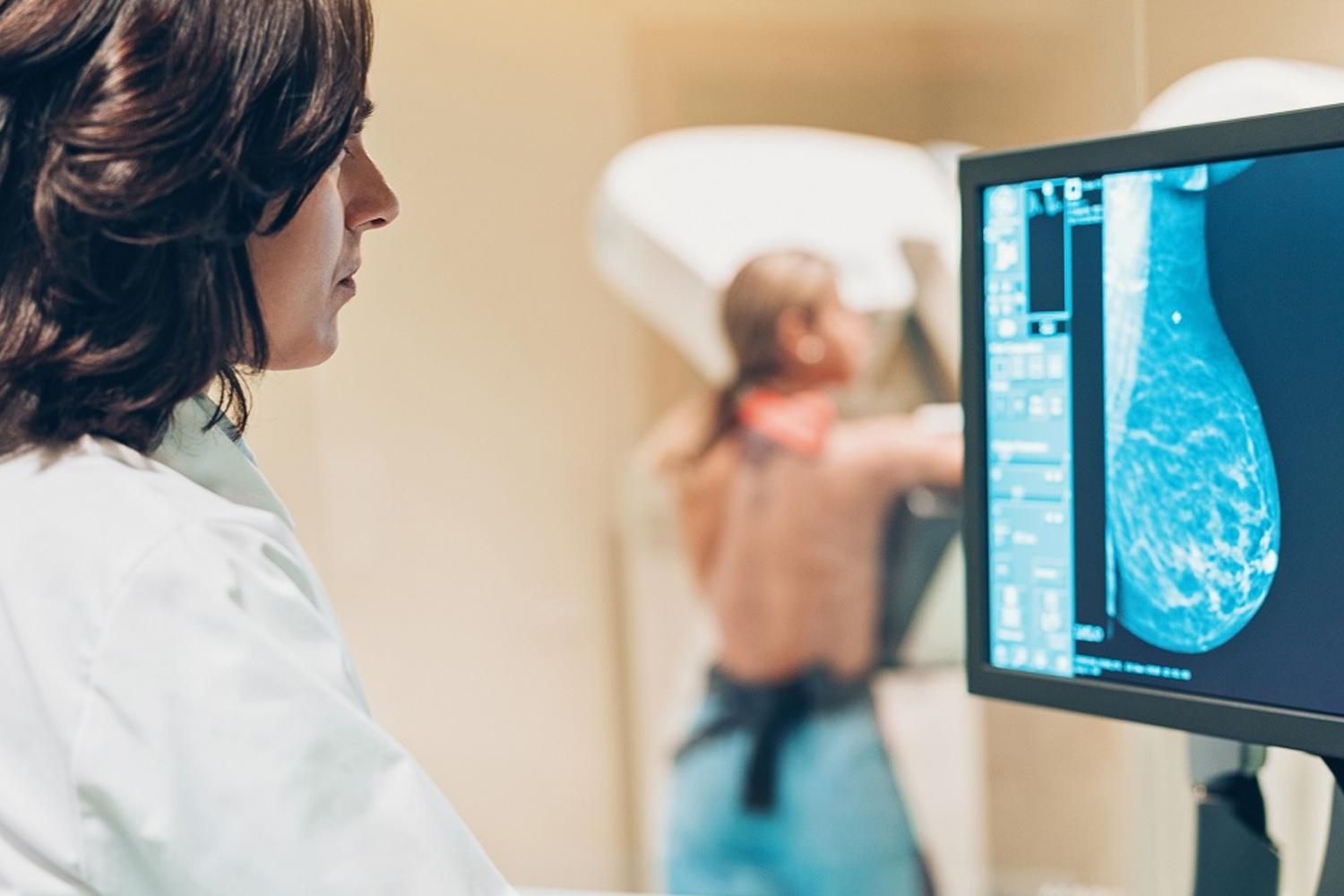
Mammography uses low-dose X-rays to create images of the breast. It is an important tool for detecting certain breast abnormalities, including changes that may not be felt during a physical examination.
For individuals at increased risk, mammography may be combined with other imaging methods depending on the individual's risk profile and the recommendation of the treating doctor.
Breast MRI
Breast magnetic resonance imaging, or MRI, uses magnetic fields to create detailed images of breast tissue. In selected high-risk individuals, breast MRI may be recommended in addition to mammography.
MRI can provide additional information about breast tissue, but it is not suitable or necessary for every woman. The decision should be based on an individual's risk assessment and clinical situation.
Breast Ultrasound
Breast ultrasound uses sound waves to examine breast tissue. It can sometimes help evaluate a finding seen on mammography or examine a specific area of concern.
Ultrasound may be useful in selected situations, but it does not replace other recommended screening methods for women who are at high risk.
When Should High-Risk Screening Begin?
There is no single screening age or schedule that applies to every high-risk individual. The appropriate timing depends on the reason for increased risk and the individual's personal and family history.
Some women may be advised to begin screening at a younger age than women at average risk. Others may require a combination of screening methods at regular intervals.
A personalized discussion with a breast specialist can help determine the appropriate screening approach for your individual situation.
How Often Should High-Risk Screening Be Done?
The frequency of screening depends on the individual's estimated risk and the screening methods being used. Some high-risk women may require more frequent or additional imaging compared with routine screening.
Your doctor may recommend a specific schedule based on your risk assessment, previous imaging findings, age, and other relevant factors. Following the recommended schedule is important because screening works best when it is performed consistently.
Does a Family History Mean You Need High-Risk Screening?
Not everyone with a family history of breast cancer will have the same level of risk. The number of affected relatives, their ages at diagnosis, the type of cancer, and whether cancers occurred on the same side of the family can all be relevant.
If several close relatives have had breast or related cancers, especially at younger ages, discussing your family history with a breast specialist or genetic counsellor may be helpful.
Role of Genetic Testing in Breast Cancer Risk
Some breast cancers are associated with inherited genetic changes. When a person's personal or family history suggests a possible inherited cancer risk, genetic counselling and testing may be considered.
Genetic testing is not necessary for everyone. A healthcare professional can help determine whether testing may be appropriate and explain what the results could mean for screening and family members.
Can High-Risk Screening Prevent Breast Cancer?
Screening is primarily intended to detect breast cancer or suspicious changes as early as possible. It does not guarantee that breast cancer will be prevented.
For some individuals at significantly increased risk, additional risk-reduction strategies may be discussed. These decisions are highly individualized and should be made after a detailed assessment with an appropriate specialist.
What Symptoms Should You Never Ignore?
Even when you are following a regular screening schedule, it is important to report new or unusual breast changes to your doctor. Screening should not be considered a substitute for medical evaluation of a new symptom.
- A new lump or thickening in the breast
- Changes in breast size or shape
- Changes in the skin of the breast
- New nipple inversion or unusual nipple changes
- Unusual nipple discharge, particularly if it is blood-stained
- Persistent swelling or discomfort in the breast or underarm
What Should You Discuss With Your Breast Specialist?
If you believe you may have an increased risk of breast cancer, preparing a few questions before your consultation can help you understand your screening plan.
- What factors may increase my breast cancer risk?
- Do I need a formal breast cancer risk assessment?
- Should I consider genetic counselling or genetic testing?
- When should I begin or continue breast cancer screening?
- Do I need mammography alone or additional imaging?
- How frequently should my screening be performed?
- What symptoms should prompt an earlier consultation?
Why Individualized Screening Matters
Breast cancer risk is different for every person. A screening plan that is appropriate for one woman may not be appropriate for another. Personal history, family history, genetic factors, age, breast characteristics, and previous medical treatment can all influence the recommended approach.
Rather than following a one-size-fits-all screening schedule, women with increased risk can benefit from discussing their individual risk profile with a qualified breast specialist.
Final Thoughts
High-risk breast cancer screening is an important part of breast health for individuals who have factors that may increase their likelihood of developing breast cancer. Understanding your personal risk can help determine whether earlier, more frequent, or additional screening may be appropriate.
Regular screening, awareness of breast changes, and timely medical consultation can all play an important role in breast cancer care. If you believe you may be at increased risk, Dr. Vishakha P. Sinha and the team at Onco360 Cancer Centre can help you understand your risk factors and discuss an appropriate screening and follow-up approach based on your individual needs.