

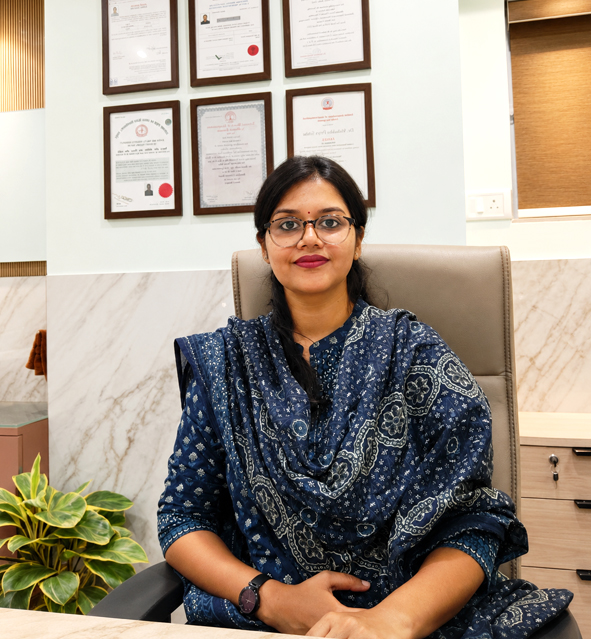
Dr. Vishakha P. Sinha
02 Sep, 2026
Oncoplastic Breast Surgery: Combining Cancer Treatment with Better Cosmetic Outcomes
Breast cancer surgery focuses first and foremost on removing cancer safely and completely. At the same time, many patients are understandably concerned about how surgery may affect the shape, size, and appearance of their breast. Oncoplastic breast surgery brings these two considerations together by combining cancer surgery with techniques that help preserve or restore the natural appearance of the breast.
Dr. Vishakha P. Sinha, an experienced Breast & Gynec Onco Surgeon at Onco360 Cancer Centre, uses an individualized approach to breast cancer surgery. Depending on the patient's diagnosis, breast anatomy, tumor location, and treatment plan, oncoplastic techniques may be considered to achieve appropriate cancer removal while maintaining a balanced breast appearance.
What Is Oncoplastic Breast Surgery?
Oncoplastic breast surgery is an approach that combines breast cancer surgery with reconstructive or cosmetic surgical techniques. The cancer is removed using appropriate oncological principles, while the remaining breast tissue may be carefully reshaped to reduce deformity and maintain a natural contour.
It can be particularly useful when removing a larger portion of breast tissue could otherwise cause a noticeable change in breast shape. The exact technique depends on the size and position of the tumor and the individual patient's breast characteristics.
Why Is Cosmetic Outcome Important in Breast Cancer Surgery?
Breast cancer treatment can be an emotionally challenging experience. Changes in body image may affect confidence, clothing choices, intimacy, and emotional wellbeing. Preserving the appearance of the breast, when medically appropriate, can therefore be an important part of a patient's overall treatment experience.
Oncoplastic surgery aims to address these concerns without compromising the primary objective of cancer surgery: complete and appropriate removal of the cancer.
How Does Oncoplastic Surgery Differ from Standard Breast-Conserving Surgery?
Breast-conserving surgery, or lumpectomy, removes the tumor along with a margin of surrounding tissue while preserving the breast. In some cases, removing the tumor can leave a visible indentation or alter the natural breast contour.
Oncoplastic techniques can be incorporated into breast-conserving surgery to rearrange the remaining breast tissue and improve the overall shape. This allows the surgeon to plan the cancer removal and breast reshaping together rather than treating them as completely separate procedures.
Who May Benefit from Oncoplastic Breast Surgery?
Oncoplastic surgery may be considered for selected patients undergoing breast cancer surgery. It is not necessary or appropriate for every patient, and the decision depends on the individual clinical situation.
- Patients undergoing breast-conserving surgery where a significant amount of tissue needs to be removed
- Patients with tumors located in areas where tissue removal may affect breast shape
- Patients who may benefit from planned reshaping of the breast during cancer surgery
- Patients concerned about changes in breast contour after tumor removal
- Selected patients requiring mastectomy who may be candidates for reconstruction-based approaches
How Is the Surgical Approach Planned?
Careful planning is an important part of oncoplastic breast surgery. Before surgery, the surgeon reviews breast imaging, biopsy findings, tumor characteristics, and the expected amount of tissue that needs to be removed.
The location of the tumor, breast size and shape, skin quality, and the patient's expectations are also considered. The surgical plan is then designed to achieve appropriate cancer removal while maintaining the best possible breast contour for that individual.
Common Oncoplastic Techniques
There are different ways to reshape or reconstruct the breast following cancer removal. The technique selected depends on the amount of tissue removed and the patient's individual anatomy.
- Rearrangement of the remaining breast tissue after tumor removal
- Reduction or reshaping techniques in selected patients
- Use of local tissue to improve breast contour
- Reconstructive procedures following mastectomy when appropriate
- Carefully planned incisions to help optimize the appearance of surgical scars
Oncoplastic Surgery and Cancer Safety
A common concern among patients is whether focusing on cosmetic appearance could affect cancer treatment. The primary goal of oncoplastic breast surgery remains complete and appropriate removal of the cancer.
The reconstructive or reshaping component is planned around the cancer surgery. Decisions regarding the extent of tissue removal, surgical margins, and lymph node evaluation continue to be based on the patient's cancer diagnosis and established surgical principles.
What About Scarring?
Any breast surgery will result in some degree of scarring. However, incision placement can sometimes be planned carefully based on the location of the tumor and the surgical technique being used.
Oncoplastic and other specialized breast surgery approaches may help place scars in less noticeable locations in selected patients. Your surgeon can explain the expected scar location and how it may change as it heals.
Recovery After Oncoplastic Breast Surgery
Recovery varies depending on the type and extent of surgery performed. Patients may experience temporary pain, swelling, bruising, tightness, or changes in breast sensation during the healing period.
- Follow postoperative wound-care instructions carefully
- Take prescribed medications as advised
- Avoid strenuous activities until cleared by your surgical team
- Attend scheduled follow-up appointments
- Allow adequate time for swelling and breast shape to settle
What Can Patients Expect From the Cosmetic Result?
The cosmetic outcome varies from patient to patient. Breast shape can continue to change during the healing process, and the final appearance may take time to become apparent.
Factors such as the amount and location of tissue removed, breast size, radiation therapy, healing, and individual anatomy can influence the final result. Your surgeon can discuss realistic expectations before the procedure.
Does Oncoplastic Surgery Replace Other Breast Cancer Treatments?
Oncoplastic surgery is a surgical approach and does not replace other treatments that may be recommended for breast cancer. Depending on the type and stage of cancer, patients may require radiation therapy, chemotherapy, hormone therapy, targeted therapy, or other systemic treatments.
The final treatment plan is based on the pathology results, tumor characteristics, lymph node status, and other individual factors.
Questions to Ask Your Breast Surgeon
If you are considering breast-conserving surgery or another form of breast cancer surgery, discussing your options in detail with your surgeon can help you make an informed decision.
- Am I a suitable candidate for oncoplastic breast surgery?
- How much breast tissue needs to be removed?
- What surgical technique would be appropriate for me?
- Where will the surgical scars be located?
- Will I need radiation therapy after surgery?
- What should I expect during recovery?
- What kind of cosmetic result can realistically be expected?
Final Thoughts
Oncoplastic breast surgery represents an important advancement in modern breast cancer care by bringing together cancer surgery and breast reshaping techniques. For appropriately selected patients, it can help achieve effective cancer treatment while reducing some of the cosmetic changes associated with breast surgery.
Every breast cancer diagnosis is unique, and the most appropriate surgical approach depends on individual medical and personal factors. If you or a loved one has been diagnosed with breast cancer, Dr. Vishakha P. Sinha and the team at Onco360 Cancer Centre can help you understand your surgical options and develop a treatment plan tailored to your needs.