

Dr. Vishakha P. Sinha
25 Aug, 2026
Lumpectomy: Understanding Breast-Conserving Surgery
A diagnosis of breast cancer can bring many questions about treatment, surgery, and what the future will look like. For many women, breast-conserving surgery, also known as a lumpectomy, may be an appropriate treatment option. The procedure focuses on removing the cancerous area while preserving as much of the healthy breast tissue as possible.
Dr. Vishakha P. Sinha, an experienced Breast & Gynec Onco Surgeon at Onco360 Cancer Centre, helps patients understand their surgical options and choose an approach that is appropriate for their individual diagnosis, anatomy, and treatment goals.
What Is a Lumpectomy?
A lumpectomy is a breast-conserving surgical procedure in which the surgeon removes the breast tumor along with a small margin of surrounding healthy tissue. Unlike a mastectomy, the entire breast is not removed.
The main goal is to completely remove the cancer while preserving the natural appearance and shape of the breast as much as possible. The removed tissue is sent for detailed pathological examination to determine whether the cancer has been adequately excised and to guide further treatment.
Who May Be Suitable for Lumpectomy?
Lumpectomy may be considered for selected patients with early-stage breast cancer and certain other localized breast tumors. However, suitability depends on several factors and must be assessed individually.
- Tumor size and location within the breast
- Size and shape of the breast
- Number and distribution of tumors
- Type and stage of breast cancer
- Previous breast treatments or radiation
- Patient preferences and overall health
Lumpectomy vs. Mastectomy
One of the most common questions patients have is whether they should undergo a lumpectomy or mastectomy. Both procedures can be appropriate depending on the individual cancer diagnosis, and the choice should be made after discussing the benefits, limitations, and expected outcomes with a breast cancer specialist.
A lumpectomy preserves most of the breast and is generally followed by radiation therapy when appropriate. A mastectomy involves removal of the entire breast and may be recommended when breast-conserving surgery is not suitable or when there are specific medical or genetic considerations.
How Is the Lumpectomy Procedure Performed?
Lumpectomy is usually performed under general anesthesia. The surgeon makes an incision and carefully removes the tumor along with an appropriate margin of surrounding tissue. Depending on the location of the tumor, the incision may be planned in a way that helps preserve the natural appearance of the breast.
In some cases, the tumor may be localized before surgery using imaging guidance or a marker placed during a previous biopsy. This helps the surgeon accurately identify and remove the abnormal area.
What Happens to the Removed Tissue?
The tissue removed during lumpectomy is examined by a pathologist. The pathology report provides important information about the tumor, including its type, size, grade, and the status of the surgical margins.
If cancer cells are found at or very close to the margin, additional surgery may sometimes be recommended to achieve clear margins. Your surgeon will explain the pathology findings and discuss the next steps with you.
Role of Lymph Node Evaluation
Depending on the type and stage of breast cancer, lymph nodes in the underarm may also need to be evaluated during breast-conserving surgery. A sentinel lymph node biopsy is commonly used to check whether cancer cells have spread to the nearby lymph nodes.
- Helps assess whether cancer has spread beyond the breast
- Provides important staging information
- Can help guide further treatment decisions
- Usually involves removing only a small number of sentinel lymph nodes
Importance of Radiation After Lumpectomy
For many patients, lumpectomy is followed by radiation therapy to the remaining breast tissue. Radiation helps reduce the risk of cancer returning in the treated breast.
The need for radiation and the appropriate treatment schedule depend on factors such as age, tumor characteristics, lymph node status, and other aspects of the individual diagnosis. Your breast surgeon and radiation oncologist will discuss the recommended treatment plan with you.
Cosmetic Considerations After Lumpectomy
Because lumpectomy preserves the breast, maintaining its shape and appearance is an important consideration. The location and size of the tumor can influence the cosmetic outcome.
Oncoplastic techniques can sometimes be used during breast-conserving surgery to rearrange the remaining breast tissue and improve the shape of the breast after tumor removal. These approaches combine cancer surgery principles with plastic surgery techniques.
Recovery After Lumpectomy
Recovery after a lumpectomy is generally shorter than recovery after more extensive breast surgery, although every patient's experience is different. Most patients can gradually return to their normal routine as healing progresses.
- Mild pain, tenderness, bruising, or swelling may occur after surgery
- Pain medication may be prescribed to keep you comfortable
- The incision should be kept clean and monitored during healing
- Strenuous activity may need to be limited temporarily
- Follow-up appointments help monitor healing and review pathology results
Possible Side Effects and Risks
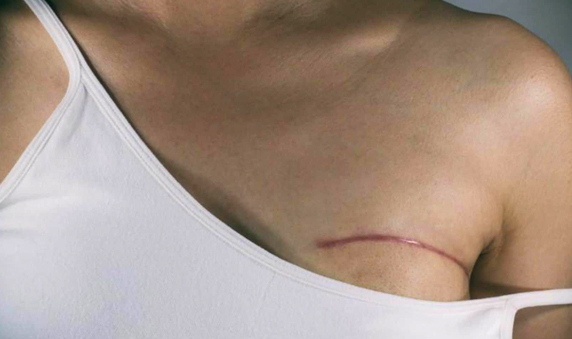
Like any surgical procedure, lumpectomy has potential risks. These may include bleeding, infection, swelling, changes in breast sensation, fluid collection, scarring, or changes in the shape or appearance of the breast.
Some patients may also experience changes in breast texture or firmness, particularly after radiation therapy. Your surgeon will explain the potential risks and expected benefits before surgery so you can make an informed decision.
What Patients Should Ask Before Surgery
Having a clear discussion with your breast surgeon before lumpectomy can help you understand what to expect. Patients may want to ask about the size and location of the tumor, the expected cosmetic outcome, lymph node evaluation, radiation therapy, recovery time, and whether additional treatment may be required.
- Is lumpectomy appropriate for my type and stage of breast cancer?
- Will I need a sentinel lymph node biopsy?
- Will radiation therapy be recommended after surgery?
- What can I expect regarding scarring and breast shape?
- How long will my recovery take?
- Could I need another surgery based on the pathology results?
Life After Breast-Conserving Surgery
Lumpectomy is only one part of the overall breast cancer treatment journey. Depending on the pathology results and individual diagnosis, patients may require radiation therapy, hormone therapy, chemotherapy, targeted therapy, or other treatments.
Regular follow-up is important after treatment. Your medical team will recommend an appropriate schedule for clinical examinations and breast imaging to monitor your recovery and overall breast health.
Final Thoughts
Lumpectomy offers many eligible breast cancer patients the opportunity to remove the cancer while preserving most of the breast. The decision to undergo breast-conserving surgery should always be based on the individual cancer diagnosis, imaging findings, overall health, and personal preferences.
With careful surgical planning and appropriate follow-up treatment, breast-conserving surgery can be an important part of comprehensive breast cancer care. If you or a loved one has been diagnosed with breast cancer, Dr. Vishakha P. Sinha and the team at Onco360 Cancer Centre can help you understand your treatment options and make informed decisions about your care.